Photographers share a unique bond with nature. We see a lot of beauty, and as we honour Earth Day, we’re reminded that our cameras do more than capture landscapes – they help us advocate for them. Earth Day isn’t necessarily about perfection– but it is about awareness. It’s an invitation to move beyond the lens and consider how we give back to the environment that provides us with as much inspiration.
Below, we highlight 5 ways you can start making an impact in your craft:

1. Support Sustainable Gear
Every purchase sends a message when you choose which camera bag, accessory, or piece of equipment you welcome into your family. Buying accessories or camera bags made with recycled materials encourages companies to produce responsibly while also lowering the carbon footprint of your creative work.
There are a few names in the game that center their products around sustainable materials and practices. When shopping for camera accessories or bags, here are some environmentally conscious brands you’ll want to keep in mind:
- LoweproLowpro explicitly states its environmental responsibility policy as part of its brand values. They launched a Green Line of camera bags, where products feature a green line logo to indicate their sustainability level, showing how much recycled or responsibly sourced material is in each product. They measure sustainability using standards like GRI 301-2, which tracks the percentage of recycled yarn in fabrics. They have also transitioned to PFC-free water-resistant coatings, reducing harmful chemicals in production. Some Lowepro bags are made with as much as 75% recycled materials including the packaging. They also use solution-dyeing processes that reduce water use by up to 80% compared with traditional dyeing.
- Peak Design
Peak Design’s sustainability efforts are supported by several independent certifications and memberships, including the Certified B Corporation (meeting high standards of social and environmental performance). They have measurable targets to improve the sustainability of their products, with a projected 90% of their primary fabrics to come from recycled materials by 2027. Peak Design has taken rare steps to measure its entire carbon footprint and offset it since the company began. They actively fund and advocate for environmental and conservation causes through nonprofits such as The Conservation Alliance.
- Urth
Urth gear is designed with sustainability in mind. Their backpacks are made with approximately 70% recycled materials (especially recycled nylon), which helps divert textiles from landfill without compromising durability. Tree planting is a core part of Urth’s sustainability strategy, where they plant one tree for every product sold – contributing to ecosystem restoration. Their strategy is to offset the carbon impact of production to create a net-positive effect on the environment. They also continuously search for low-impact materials, refining their designs to minimize material during production. Urth’s packaging avoids single-use plastics, using recycled materials instead. It’s a mission with purpose.
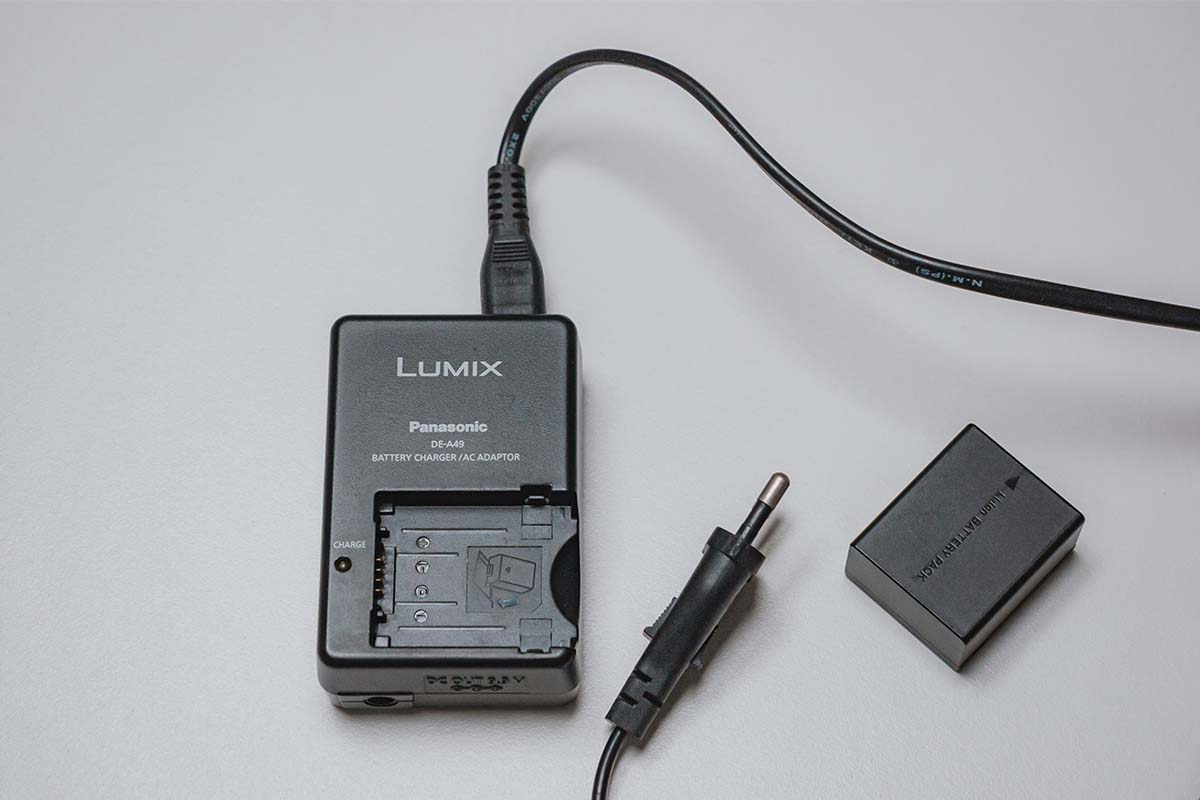
2. Recharge, Recycle Batteries
Between Cameras, flashes, and accessories, photographers go through a lot of
batteries – especially on long shoots. One of the easiest ways to make a small environmental impact is by taking care of your batteries. Here are a few tips to maximize your battery health:
- Charge Before They Are Empty
Lithium-ion batteries last longer when they’re topped up before hitting 0%. Try recharging when your battery charge cycle is hovering around 20-30%
- Avoid Overcharging
Leaving batteries plugged in overnight is occasionally okay, but consistently doing so can shorten their lifespan.
- Rotate Multiple Batteries
Cycling through your batteries helps them wear evenly – and ensures you’re never caught without power.
And finally, when your battery reaches the end of its cycle, it’s important to be mindful of how you dispose of it. Many local recycling depots and electronics stores accept used batteries, keeping harmful materials out of landfills.

3. Print with Purpose
While photo printing isn’t free from enviromental impact, when done with intention and care, you can easily reduce clutter and waste. Here a few tips you can follow to keep your environmental footprint in check when printing:
- Curate your Photos
Instead of letting thousands of images live unseen on hard drives
- Curate and print your favourite
- Choose quality over quantity
- Use labs and materials that prioritize sustainable practices when possible
- Look for Energy Star & EPeat Ratings
Many Canon printers (especially larger formats like imagePROGRAF) have ENERGY STAR and EPEAT Gold certifications - meaning they meet internationally recognized standards for energy efficiency and lower environmental impact.
- Refillable Ink & Recycled Materials
Look for MegaTank/MAXIFY printers that use refillable ink tanks – a big sustainability benefit if you print often.
- Canon Recycling Programs
Canon offers cartridge and hardware recycling programs to keep consumables and old devices out of landfills.
- Choose your Paper wisely
Printing on FSC-certified, recycled, or sustainably sourced photo papers dramatically improves the environmental footprint of your prints.
A thoughtfully printed image is more likely to be treasured—and far less likely to be forgotten.
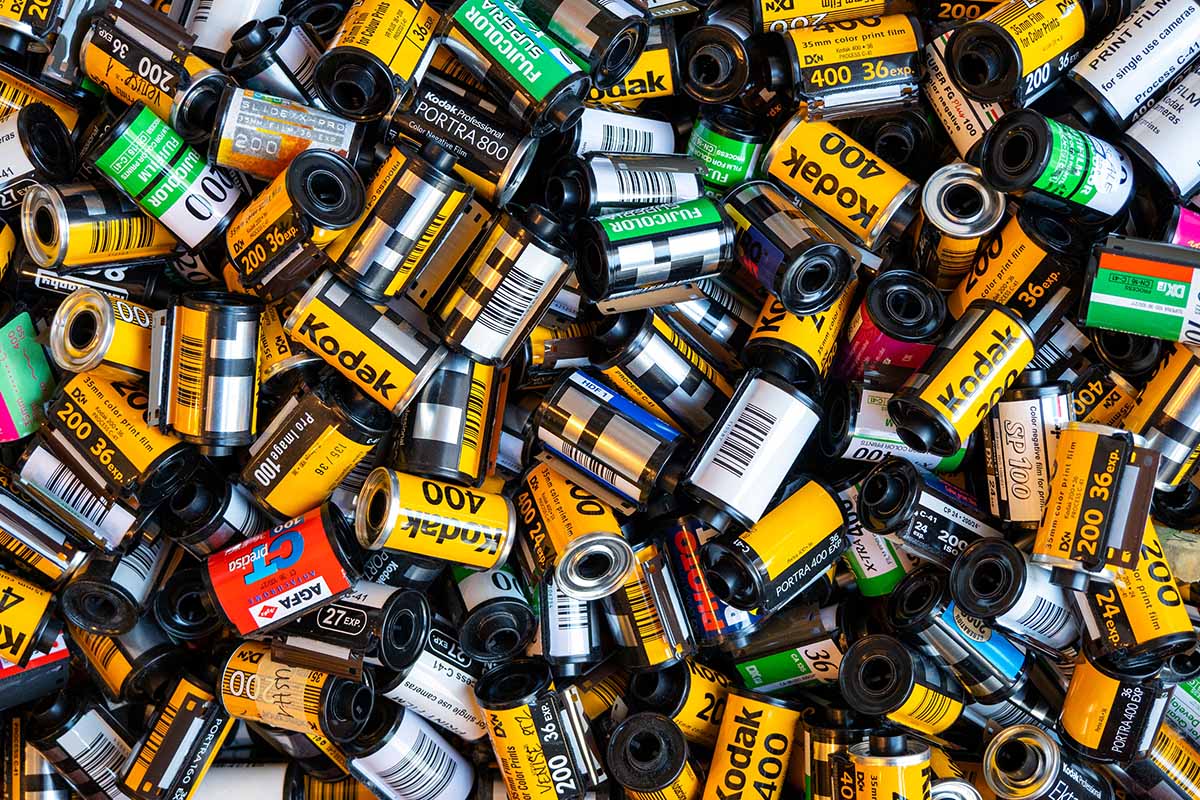
4. Rescue Your Film, Preserve Your Memories
Remember that film you dropped off for developing and/or scanning? It’s still in the dark about what’s next - literally. Every captured moment forsaken, abandoned to a life of eternal obscurity. Snapshots of your life- just vanished! Okay, maybe not that dramatic, but you would be shocked how many rolls of film get ghosted after being dropped off.
And while we’d love to hold onto every roll indefinitely, abandoned negatives must be binned after a certain period to keep our lab space running efficiently. We can only hold onto negatives for so long before we are required to dispose of them. Your negatives have gone through a long journey behind the scenes. Bringing them home is a small way to complete that story.

5. Sell, Trade-In, Trade-Up, or Donate
When we go buy new gear, we put so much research, discipline, and intention into making sure we stretch every last dollar, and we purchase in ways that align with our ethics. I wonder what the ripple effect would be if we were equally intentional about the gear we left behind. That camera sitting on the shelf? The lens you upgraded from last year? It’s sitting in a drawer or box that could fuel someone else’s creative journey! It’s time to give it a second life or ethically dispose of it.
Trade-In or Sell
McBain offers a really great Trade-In program that will give you a fair appraisal on so many pieces of equipment, you’d be reckless not to explore this. The program allows credit to be applied to future purchases on your account, while our Red Deer branch lets you explore a cash exchange option.
Recycle/Donate
Edmonton offers an array of Eco Stations and Electronic Depots to drop off old gear that is easily accessible within our city limits:
- City of Edmonton Eco Stations:
- Specialized Electronic Recyclers:
- Retail Drop-Offs:
- London Drugs: Frequently part of the Electronic Recycling Association network. They offer in-store drop-offs for small electronics, including cameras, under their waste reduction program
- Staples: Often have electronics recycling bins near the entrance for cameras and small peripherals.
- Donate:
- Rare Earth Outreach: Accepts donated cameras to deliver Photography Programming for groups with limited access to equipment.
- More Than a Fad Thrift Store: a local thrift store accepting donations to support community initiatives.
- Bissell Thrift Shop: Accepts cameras and other household items to support community services.
- Edmonton Photographic Historic Society: Accepts vintage or historic camera donations.
- Inclusion Alberta: Camera Donations and funds are used to directly support children and adults with developmental disabilities and their families.
- Find.: Will accept Antiques & collectibles for gear. A social enterprise providing furnishings free of charge to individuals & families that are newly rehoused.

Our Final Thought
Photography is all about preserving what matters—moments, people, places.
Earth Day is a reminder that the world we capture deserves that same care and intention. And while no one gets it perfect, small, mindful choices in how we shoot and care for our craft can add up to something meaningful over time.