Bringing ambitious storytelling into the hands of everyday filmmakers is what Sony has done best with their Cine Line cameras. The introduction of Sony’s FX5 adds another exciting chapter to this legacy, blending cinema-grade tools with the flexibility modern creators have been asking for.
The specs for this camera look pretty impressive on paper, but how those tools translate to real-world workflows will ultimately define the FX’s appeal for creators, especially those focusing on documentary, commercial, event, and multi-platform media.
Pre-Order Here
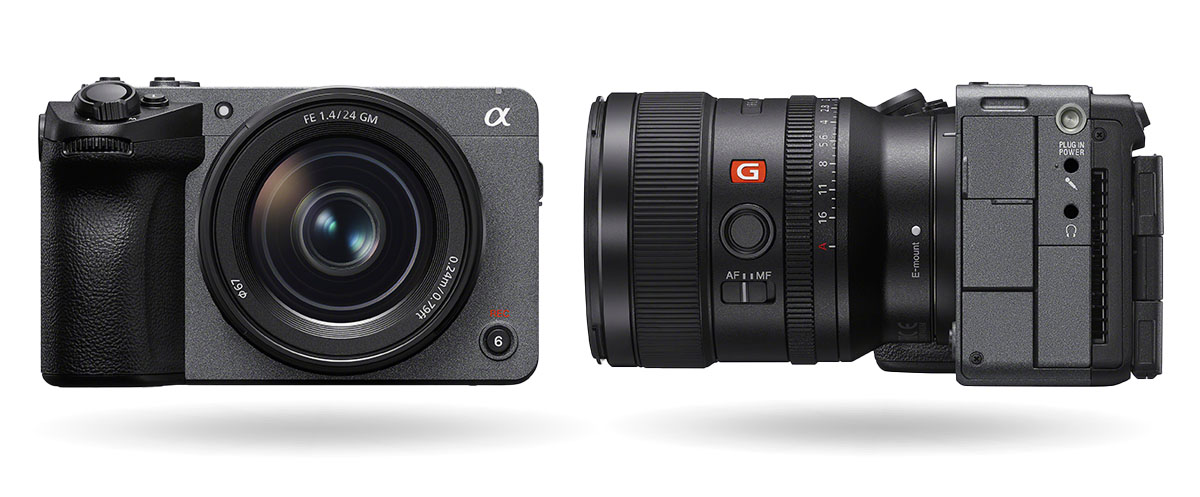
Below we break down some Feature Highlights and compare them to its FX3 predecessor:
- 5K Open Gate Recording
- Probably the feature filmmakers have been asking Sony for the most. The FX3 didn’t have it, but the FX5 makes reframing easier for vertical, widescreen, and social deliverables from a single clip. It’s an attractive feature for creating both vertical and horizontal deliverables, commercial work, reframing in post, using anamorphic lenses, and if you want maximum flexibility from every shot.

- Internal X-OCN Recording
One of the most important features, because it’s not just about image quality; it’s about removing friction from a cinema workflow. While the FX3 could output RAW video, it was only compatible with an external recorder via HDMI. The FX5 eliminates the need for extra batteries, cables, and storage. But more importantly, it allows filmmakers to capture Sony’s RAW workflow directly into the camera’s media card, preserving the camera’s wide dynamic range and extensive colour information for better grading flexibility and streamlined post-production workflow.
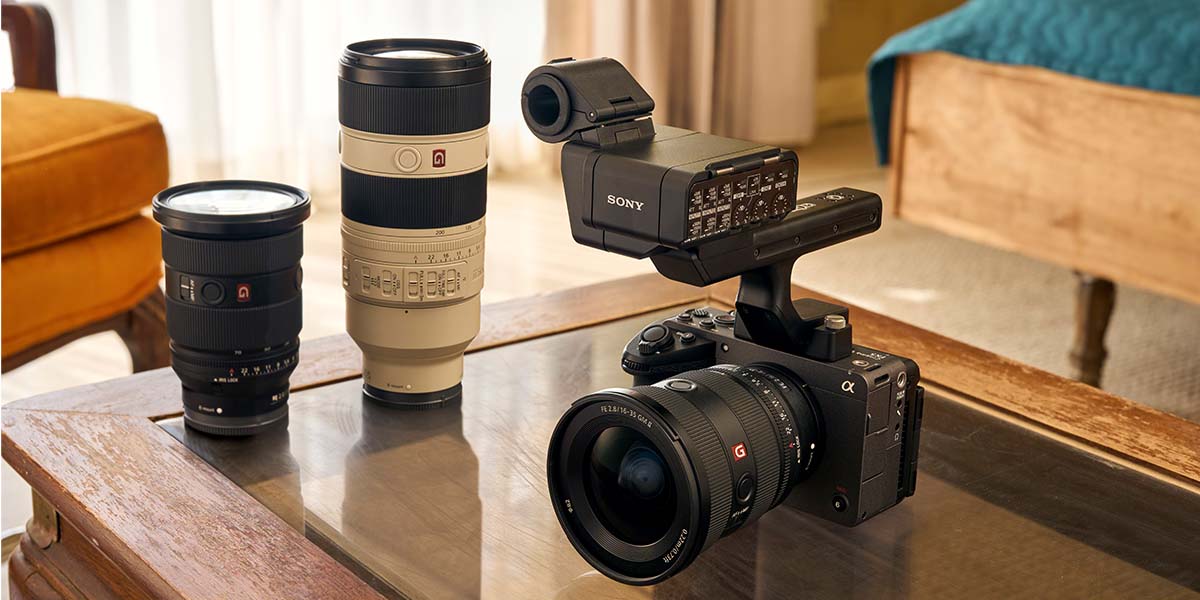
- A New Full-Frame Stacked Sensor paired with the latest BIONZ XR2 processor and AI processing unit
The FX5’s new stacked sensor is aimed less at dramatically improving image quality and more at expanding capability. Faster sensor readout supports features like 5K Open Gate recording, advanced autofocus, high frame rates, reduced rolling shutter, and improved overall responsiveness. For FX3 users, the well-loved 12.1 MP full-frame remains highly capable, but the FX5’s advantage lies less in dramatically improving image quality and more in expanding creative flexibility.

- Three Base ISO settings (800, 4000, and 12800)
Compared to the FX3’s Dual Base ISO, the FX5 provides 3 points where the sensor delivers optimal balance in dynamic range, noise performance, highlight retention, and shadow detail. The FX3 earned its reputation for impressive low-light performance, and the FX5 builds on that foundation with an additional base ISO.
- High Frame Rate Recording up to 5K 120p and 4K 240p
While the FX3 already offered 120fps (and 240fps in Full HD), the FX5 makes a significant jump in preserving considerably more resolution when creating extreme slow-motion sequences by providing 4k at 240fps. Greater detail, more cropping flexibility, sharper deliverables. For commercial shooters, sports filmmakers, and anyone producing cinematic B-Roll, it isn’t about the numbers, but creative flexibility. More of an “icing on the cake” feature.

- Enhanced 5-axis image stabilization with Dynamic Active Mode
The FX3 already has excellent stabilization, so we’re careful not to oversell this feature, but you’ll find it to be more refined in the FX5, especially for handheld filmmaking. The FX5 provides a redesigned stabilization system that Sony claims will provide approximately double the roll compensation compared to the FX3. We could see a significant difference in the footage comparison from Sony, but the advantage appears to be in the refinement rather than reinvention. - AI-powered subject recognition and autofocus
The FX5 combines a new sensor and processing pipeline with a dedicated AI processing unit. It won’t necessarily make the FX3’s autofocus feel outdated, but the newer AI processing in the FX5 can recognize subjects more intelligently. Rather than simple eye tracking, the camera can analyze head position, posture, and an isolated moving subject within a scene. In all of their cameras, Sony’s autofocus remains one of the most trusted systems in the video world. The AI angle in the FX5, though, means a solo creator can focus more on directing a scene while the camera handles the technical workload.
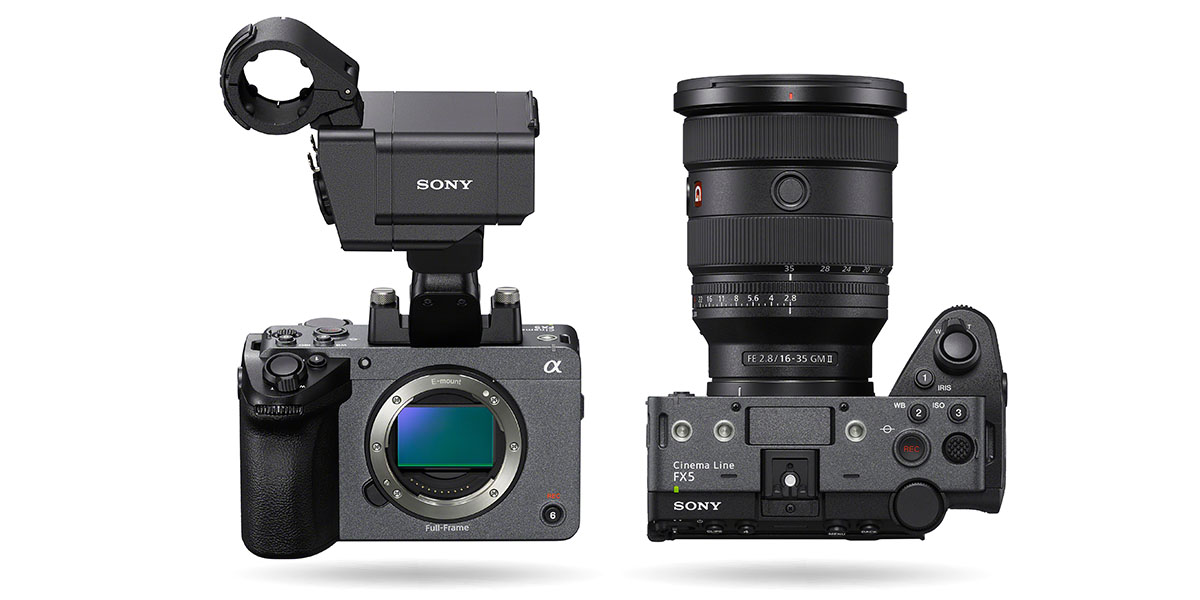
- Optional OLED electronic viewfinder and XLR handle
Beyond its imaging capabilities, Sony expanded the FX5’s production-ready ecosystem. An optional OLED electronic viewfinder addresses one of the most common requests from FX3 users, while the new XLR-H2 handle introduces professional audio features including 32-bit float recording. Individually, neither accessory is likely to be the deciding factor for most buyers, but together they reinforce the FX5’s role as a camera designed to adapt to a wide range of production environments.

Final Thoughts
More than anything, the FX5 feels like a camera built around creative momentum. Compact enough to travel and powerful enough for demanding productions, it brings an added layer of flexibility to the increasing ways content is captured, delivered, and experienced today.
For FX3 users continuing to grow in their craft, the FX5 feels like a natural evolution, expanding what’s possible while remaining rooted in the filmmaking experience that made the Cinema Line compelling in the first place. For filmmakers and storytellers, these refined tools mean less time working around technical limitations and more time leaning into creative processes. There’s an undeniable excitement knowing those creative boundaries can be pushed just a little further.
Whether you’re upgrading from an FX3 or stepping into Sony’s Cinema Line for the first time, start planning your next creative project and
Pre-Order the FX5 at McBain.