For over a decade, Sony’s Alpha 7R line has set the benchmark for resolution in the full-frame mirrorless space. If you wanted detail, dynamic range, and files that could be pushed in post without hesitation, this was the series you reached for.
There was always a quiet asterisk, though.
Speed- while usable - was never the defining strength.
With the arrival of the only Alpha 7R VI, that asterisk all but disappears. This is the first R-series body that doesn’t make you choose between resolution and responsiveness. Backed by a new sensor architecture, refined AI autofocus, and a shooting experience that feels more immediate, the Alpha 7R VI delivers both. It’s more than an evolution. It’s a new framework for what the R series can be.
» Pre-order the Sony Alpha 7R VI
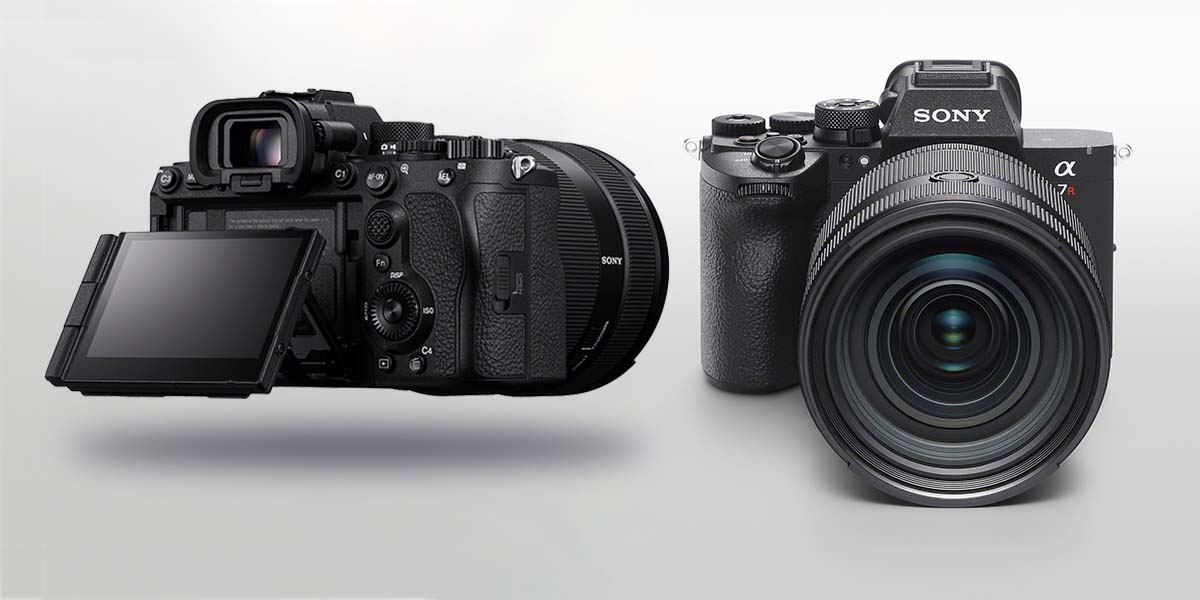
Key Features
- A New Class of Sensor: 66.8 MP Fully Stacked
66.8MP fully stacked Exmor RSTM CMOS sensor. It’s the first of its kind in the R lineup. The bump from 61MP might not seem dramatic on paper, but the fact that it’s a stacked design is what makes it stand out. This translates to increased sensor readout speed, which impacts:
• Burst Performance
• Rolling Shutter Control
• Overall responsiveness
2. Blackout-Free 30fps Shooting
With the BIONZ XR2 processor, the a7R VI can shoot full-resolution RAW at up to 30 frames per second, completely blackout-free
Tracking moving subjects through the viewfinder feels fluid and uninterrupted. Users will notice the most difference when photographing fast-paced candid moments and wildlife. It’s a level of usability that simply wasn’t part of the R-series DNA before.

3. AI Autofocus that Subtly Better
Sony didn’t need to reinvent autofocus here because it was already excellent. Instead, they refined it. The updated Real-time Recognition AF+ builds on Sony’s AI processing unit. The changes aren’t flashy, but they’re practical.
• More accurate human pose estimation
• Improved tracking precision, especially for smaller subjects
• Broader subject recognition, including animals, insects, and vehicles
• 759 phase-detect points with 94% frame coverage
4. Pre-Capture: A Quiet Game-Changer
The Pre-Capture feature allows the camera to buffer up to one second before the shutter is fully pressed. Thought you reacted too late to the moment? This feature ensures you’re a step ahead of the game. You’ll notice more of this feature in:
• Unpredictable motion
• Fleeting expressions
• Wildlife behaviour
There are trade-offs: using Pre-Capture draws from the buffer and slightly affects EVF smoothness. But in practice, it’s a tool many photographers will reach for regularly.
5. Stabilization That Matches the Resolution
At nearly 67MP, even slight movement can impact sharpness. Sony addresses this with improved 5-axis IBIS offering up to 8.5 stops (center) and up to 7 stops (periphery).
In practical terms, handheld shooting at surprisingly slow shutter speeds becomes realistic.

6. Colour and White Balance: Smarter Foundations
Sony has quietly improved auto white balance, using a combination of:
• Visible light sensing
• Infrared data
• Deep learning
The result is more consistent, natural colour - particularly in mixed or challenging lighting. While RAW shooters will always fine-tune, starting from a more accurate baseline matters.
7. A Viewing Experience That Keeps Up
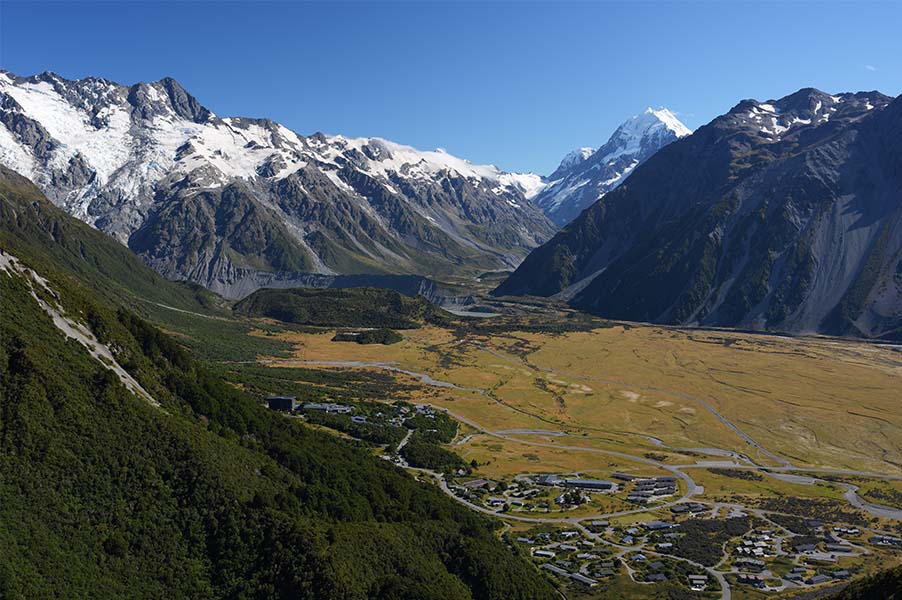
The 9.44M-dot EVF returns, now with significantly increased brightness and improved colour handling. It’s detailed, making it easier to evaluate focus, exposure and colour directly in-camera.
8. Video: Significantly Better, Not the Focus
The a7R VI is a stronger video performer than its predecessor:
• 8K upt o 30p (improved readout speeds)
• Full-frame 4K 60p (no crop)
• 4K 120p for slow motion
• 10-bit 4:2:2 recording
Rolling shutter performance has notably improved, and overall usability is better. That said, it’s not a full hybrid flagship because features like internal RAW recording and advanced monitoring tools are still absent.
Bottom Line: It’s a very capable camera for video, but a stills-first camera foremost.
9. Speed: No Longer the Compromise
The a7R V was powerful but deliberate. The a7R VI feels immediate
• From moderate burst speeds -> 30fps
• From slower readout -> dramatically improved responsiveness
It won’t outpace Sony’s a9 III in pure speed, but it gets closer than any R-series camera has before - and for most photographers, it’s more than enough.
10. Image Quality: Still the Benchmark, But Even Better
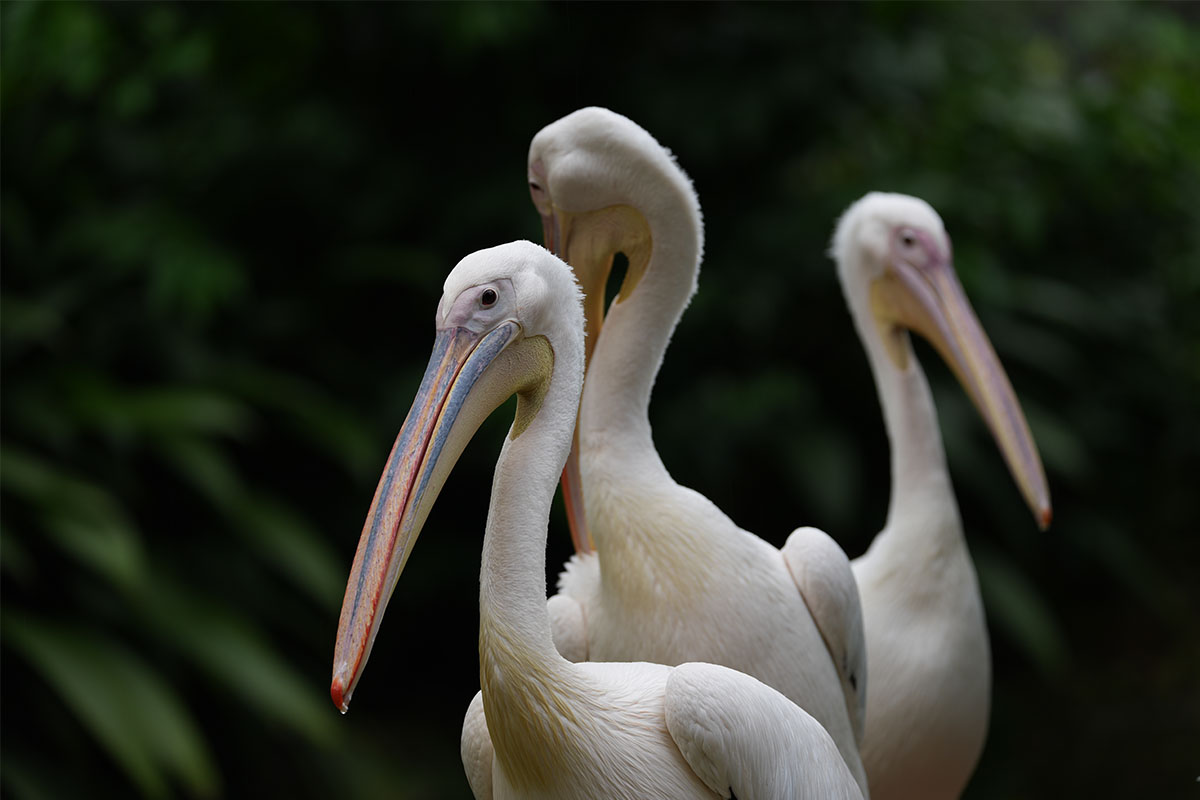
Sony didn’t lose sight of what made the R series special. But it did improve:
• Dynamic range (especially with mechanical shutter)
• Exceptionally flexible RAW files
• Slight resolution Bump.
Who Is This For?
Ideal for photographers who:
• Want maximum detail without sacrificing speed
• Shoot a mix of landscape, wildlife, portrait, and commercial work
• Want one camera they can trust in almost any situation, without needing to switch bodies across different shooting styles.
If you’ve previously hesitated on the R series because it felt too slow – or leaned towards an a7 IV, a1, or even another system for versatility – this is the model that bridges that gap.
Final Thoughts
The Sony Alpha 7R VI doesn’t feel like a typical generational upgrade. Instead, it feels like a course correction.
For the first time, the R series sheds its biggest limitation and steps into a more complete role. It retains everything photographers loved (resolution, dynamic range, flexibility) but pairs it with speed and responsiveness that feels more modern.
The few compromises users have to make with this camera are hard to find, which makes this release stand out from others. We believe users will really gravitate to this new release.