When I sat down last week with longtime Canadian journalist & photographer, and McBain customer, Bert Crowfoot, we spoke about his recent appointment to the Order of Canada. I expected a straightforward conversation about career milestones and accolades. What I encountered instead was Bert Crowfoot, the storyteller—someone whose influence stretches far beyond awards and recognition.
He carries a warmth and patience that draws you into his stories, letting them unfold at their own pace. His legacy isn’t defined by personal achievement alone, but by mentorship, cultural preservation, and inspiring Indigenous communities to recognize what’s possible. At 72, Bert isn’t just a journalist or storyteller; he’s a photographer whose images have captured some of Canada’s most important moments. As a cultural leader, his work has shaped Indigenous media, mentored generations, and brought in focus stories that might otherwise go unheard.
Sports, Family & The Mental Game
Bert’s story begins on the playing field. He began his career wanting to teach, coach, and shape young minds through sport. From softball and women’s basketball to coaching clinics across North America, athletics became a foundation for his leadership philosophy. He attributes much of his philosophy to a book his brother gave him called “The Psychology of Winning” by Denis Waitley.
Mentors like Waitley taught him that the biggest differences in performance aren’t physical—they’re mental.
“Most teams have the talent,” Bert told me before tapping the side of his head. “The biggest difference is up here.”
That belief shaped his life beyond sports. In 1990, when government funding was cut for his newspaper, The Windspeaker -Canada’s first national Indigenous publication- Bert had just six weeks to make the publication self-sustaining. Leaning on lessons from sports psychology, he reframed the setback as an opportunity. By mailing five copies to every band office in Canada within months, the paper quickly became a national voice for Indigenous media.
Setbacks, Bert believes, aren’t failures—they’re lessons you train your mind to see.
Much of that mindset, Bert admits, also comes from family. Leadership was modelled early on: Bert himself descends from a line of Crowfoot Chiefs, a legacy he is immensely proud of. While he found success without a University degree, he is quick to draw attention to his family’s collective achievements: 22 Unviersity Degrees, 11 doctors, four dentists, and countless other professionals. He attributes much of this to his father’s unwavering persistence in multiplying his small successes in farming and his mother’s steadfast commitment to preservation and knowledge.
Achievement for Bert was never accidental – it was cultivated through discipline, mentorship, and expectation.
The Heart of Storytelling
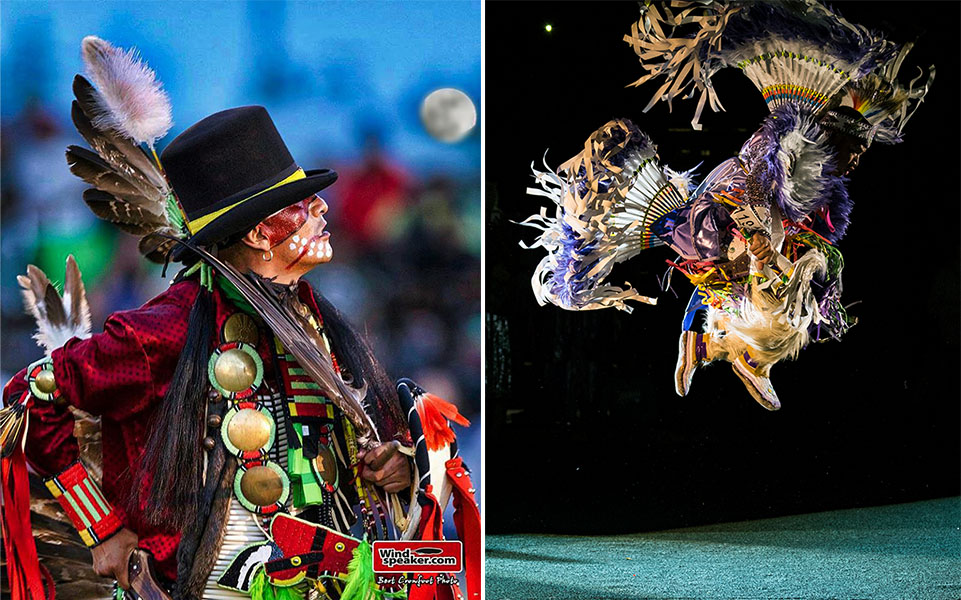
Listening to Bert describe his life, I’m reminded that he is cut of the same cloth of storytellers he has spent his career documenting. His visual storytelling is deeply relational. Which is probably why he’s been granted the sacred trust in not only writing Indigenous stories, but capturing them through photography – not because he’s the most awarded candidate, but because he lives the stories he writes and photographs.
Unlike mainstream media’s compressed soundbites, Bert allows stories to breathe, honouring context and voice. The priority was never personal visibility but preserving Indigenous perspectives with accuracy and respect.
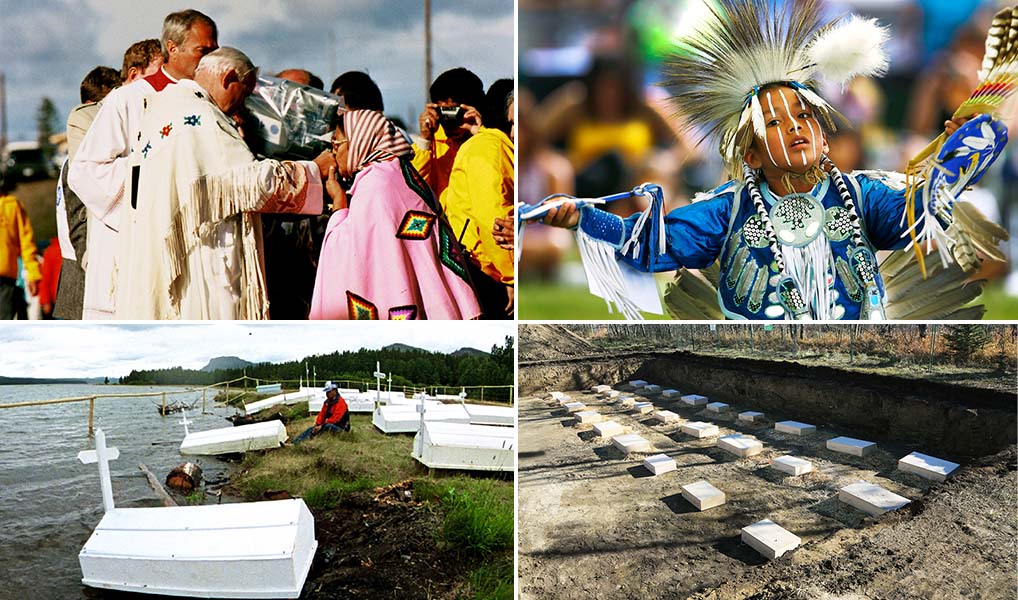
It is this level of reputation that has granted Bert front-line access to some of Canada’s biggest stories – from the Pope’s 1986 visit, to Queen Elizabeth II at Peace River, Alberta, to Prince Andrew and Sarah Ferguson at Head-Smashed-In Buffalo Jump – a distinction Bert speaks of with quiet pride.
Mentorship & Leadership
Bert’s induction into the Order of Canada is the culmination of decades spent amplifying Indigenous voices, mentorship, and building platforms like The Windspeaker and AMMSA, Alberta’s Indigenous Media Network, which combine cultural advocacy with sustainable business models. It not only recognizes personal achievement but also a career devoted to cultural preservation and creating opportunities for others.
The congratulatory messages that have meant the most to him come from former athletes and mentees who shared how his guidance shaped their lives. But Bert is never one to take full credit. He is intentional about acknowledging others. He surrounds himself with capable people and gives them autonomy and trust. Bert jokes, “People might think I’m lazy, but I hire good people, tell them where to go, and give credit where it’s due.”
Of all the Indigenous teachings he lives by, it’s the principle of giving that guides most of his work. Bert says, “Some people judge you by how much you accomplish. Your money, your bank account, house, clothes. But Indigenous people will judge by how much you give away. You’re supposed to give away your best”.
Giving away his best helped shape organizations like AMMSA and The Windspeaker, which operate as not-for-profits with strong business foundations. From staff to partnerships, the opportunities that have come into Bert’s orbit through his generosity have been nothing short of a gift that keeps giving. From radio bingo to advertising and property investments, these avenues have gone on to generate their own independent revenue. “Opportunities aren’t given,” Bert says. “They’re made”.
And as his influence continues to ripple outward, Bert is committed to showing Indigenous youth what’s possible, mentoring photographers, and creating pathways for others to follow.
Craft, Technology, and Respect
For photographers, Bert’s work is a masterclass in patience, discretion, and storytelling through imagery. He teaches that the most compelling photographs aren’t about the latest technology – they are about earning trust, observing without intrusion, and anticipating the right moment to click the shutter. Ethical storytelling and technical craft go hand in hand, and there is a sensitivity to culture and people that no piece of gear can replace.
Bert photographs sacred ceremonies with care, documenting within the boundaries of cultural practices. While he embraces evolving tools and technology, he is not a slave to them. Reliability, image quality, and discretion matter far more than chasing the newest gear, and his choices reflect that ethic – even favouring an occasional iPhone photo when it means capturing a moment respectfully. The moment could pass, so "Take the photo” Bert says.
For Bert, the most important part of his craft has centred around the reliability of his tools and the relationships he’s formed. For over 40 years, McBain has supported him with both. Not only in providing equipment, but also in guidance and support that have allowed Bert to focus on the story, not the gear. “It’s about relationships,” Bert says. “People remember when you go above and beyond.”
Perspective & Legacy
Most of Bert’s life lessons echo his sports roots: keep perspective, try new things, learn from setbacks, and set clear goals – specifically SMART goals, a tool he’s learned through studying sports psychology that he’s woven into his perspective as a photographer. Yet, he encourages goal-setting not just for work, but for life as a whole, emphasizing growth, balance and measurable progress in every arena. It’s this same mindset – seeking purpose over recognition – that has guided his journey.
Bert Crowfoot didn’t chase recognition. He sought opportunities and ways to help others. Along the way, he became a storyteller, mentor, and cultural guardian whose influence extends far beyond any award.
“People always ask, ‘What was your dream?’” he says. “I needed a job. I needed a roof over my head. And along the way, I realized I could help others—and that became my story.”